This content is not available in your region
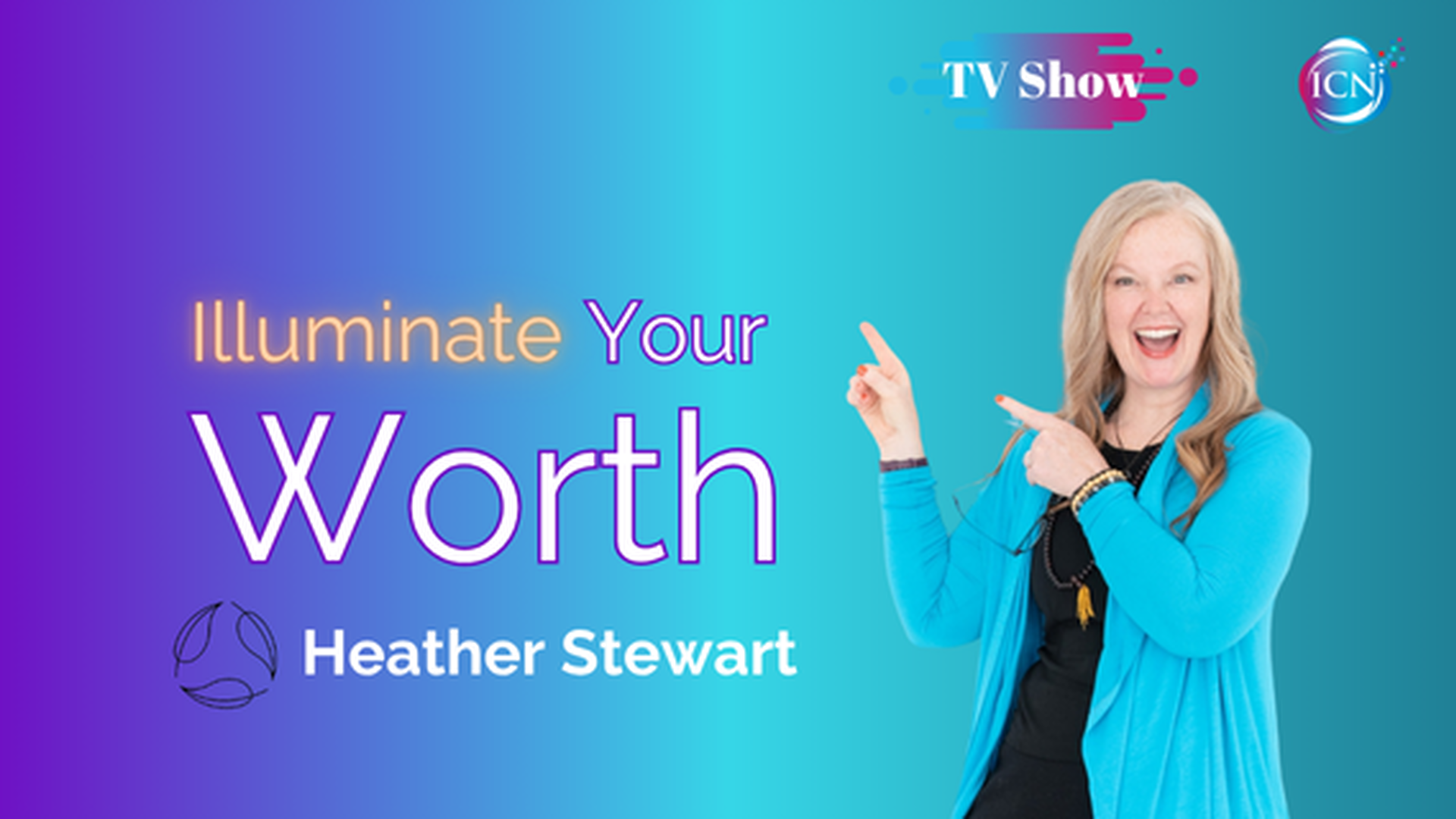
What If That’s Not True? – Heather Stewart
How often do we accept an explanation simply because someone says it with confidence? “That’s just part of getting older.” “You’re not cut out for that.” “This is how it’s always been.” Before we know it, an assumption becomes a fact in our minds, and we make decisions around something we haven’t actually questioned.
With warmth, practical reflection, and a little healthy irreverence, Heather invites you to notice the explanations you’ve stopped examining. You’ll explore how to separate what you know from what you’ve assumed, advocate for your concerns, and try small, real-life experiments that make room for another possibility.
You don’t need to have all the answers. But you deserve to ask the questions, especially the ones that could change how you live.
5 Key Takeaways
• An assumption is not the same as a fact. We often accept explanations about ourselves, others, and our circumstances without questioning whether they are actually true.
• Separate what happened from what you think it means. A missed message, an unsuccessful attempt, or an uncomfortable experience does not automatically prove the story you have attached to it.
• Advocating for yourself does not make you difficult. You are allowed to ask questions, raise concerns, seek further information, and challenge explanations that do not adequately address your needs.
• One unsuccessful approach does not define your abilities. Before deciding you cannot do something, consider whether you had the right support, resources, time, or approach to succeed.
• Questioning old beliefs creates new possibilities. Choose one assumption, consider another explanation, and take a small action to discover what might be possible when you stop treating familiar stories as facts.